This week’s PARTICIPATE visibility workshop turned into an honest conversation about what it really means to be visible in academia—and why many of us struggle with it.
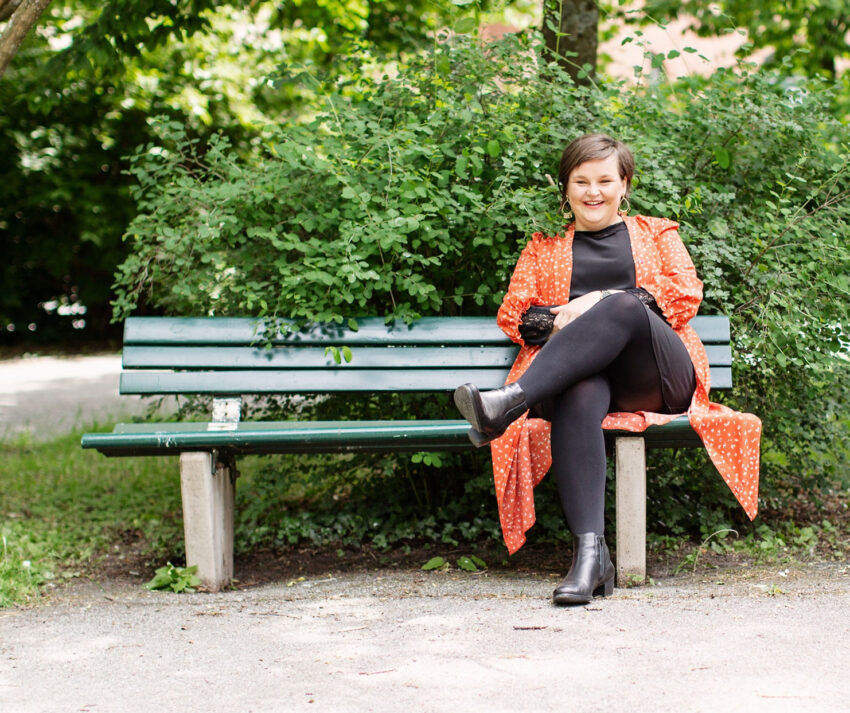
Feeling totally inspired by academic coach Sanne Frandsen who recently ran a free workshop on researcher visibility, Anne Schiffer decided to try Sanne’s model with members of our PARTICIPATE research cluster.
We went through a series of questions including why visibility matters. Very quickly, themes emerged: wanting our expertise to be known, connecting with others in our field, making our research useful, and ensuring that our work actually has impact beyond conferences and journals.
But the bigger question was: why can visibility be so difficult?
People talked about time pressures, discomfort with “showing off”, imposter syndrome, fear of online trolling (especially for women), and an overwhelming dislike of social media. Others said they weren’t sure where their work “fit” internally or felt pigeonholed by colleagues who only saw one slice of their expertise.
According to Sanne there about 6 hiding strategies that academics commonly employ:
- This before that (e.g. I can’t talk about my work on social media before I have done the conference presentation)
- Designing at the whiteboard (e.g. I have made brilliant plans to become more visible but never act on those plans)
- Overcomplicating and endless polishing (e.g. if what I share with colleagues and it’s not perfect I might get ridiculed)
- Curating others’ ideas (e.g. sharing what other people do instead of what you do)
- Omitting your own story (e.g. having not mentioning the incredibly expertise from the other part-time job at a different institution)
- Evermore education or reading (e.g. I can’t possible write something about this topic before I have made sure I have read absolutely everything about it).
Many of us felt a sense of familiarity with at least some of these hiding strategies – like endless polishing, planning but never posting, prioritising everything else first. As a consequence, people can feel overlooked, stuck, misunderstood, or simply… invisible.
Although, as someone pointed out in the workshop, invisibility can be great for work-life balance as it means less requests for more academic housework.
The discussion shifted when we all shared one thing we had done recently to be more visible. There were many small but meaningful wins: updating staff profiles, giving talks, sending good reviewer comments to managers, following up on collaborations, organising exhibitions, even improving email signatures. Small steps – and they mattered.
We ended with a useful exercise: drafting a personal academic mission statement following Sanne’s template:
“I use [methodology/framework] to study [population/phenomenon or context]
in order to [add the change you want to see in the world].”
Anne’s resulting new academic mission statement was:
I use people-centred design to study place and lived experience of resource scarcity in order to improve equitable and just access to energy and water.
Even half‑formed, these statements helped people articulate the essence of their work and the change they want to make. It was great to see people help each other develop their statements in the supportive PARTICIPATE spirit.
If the workshop revealed anything, it’s that visibility isn’t about shouting louder – it’s more about being intentional, and a little braver. And often it’s simply about telling the person sitting next to you what you’re already doing.
(Photo credit: by Tim Reckmann on ccnull)